Compare Local Contractors for Your Tub Conversion Project
Compare local contractors for tub conversion to define scope, verify experience, and set clear expectations for a successful project.
Tub conversion projects typically involve transforming an existing bathtub into a different type of bathing area, such as a walk-in shower, or replacing an outdated tub with a modern fixture. These jobs may include removing the current tub, preparing the surrounding area, installing new plumbing connections, and ensuring the finished space is functional and visually appealing. Depending on the scope, some conversions might also involve updating tiling, waterproofing, or adjusting access points to meet specific needs or preferences.
Clearly defining the scope of a tub conversion is essential for ensuring the project meets expectations and is completed efficiently. Property owners should consider what elements are involved-whether it’s just replacing the tub, modifying the surrounding enclosure, or completely redesigning the space. Having a detailed scope helps avoid misunderstandings and provides a basis for comparing proposals from different service providers. It also assists contractors in understanding the extent of work required, which can influence their recommendations and the overall approach to the project.
When evaluating local contractors for a tub conversion, property owners should focus on verifying their experience with similar projects and reviewing their credentials. Comparing service providers involves looking at their reputation within the community, the quality of their previous work, and their ability to clearly communicate project details in writing. It’s advisable to request detailed descriptions of the scope, materials, and methods to ensure consistency across proposals. Taking the time to assess these factors helps in selecting a contractor who can deliver the desired outcome with professionalism and reliability.
Compare local contractors by outlining your priorities, verifying experience, and setting clear expectations in writing.
- Compare Contractor Credentials - Verify the experience and reputation of local contractors to ensure quality work.
- Define Project Scope - Clearly outline the desired changes and specifications for the tub conversion.
- Request Written Estimates - Obtain detailed, written descriptions of the work to set clear expectations.
- Assess Communication and Professionalism - Evaluate how contractors communicate and respond to ensure reliable service.

Before comparing contractors for a tub conversion, clearly define your project scope and verify their experience.
- Verify the contractor’s experience with tub conversions to ensure familiarity with the scope of work. - Ensure the service providers can clearly define the project scope and specific tasks included in the conversion.
- Compare multiple local contractors to assess their qualifications and approach to tub conversion projects. - Look for detailed explanations of the process and materials they plan to use.
- Request written estimates that outline the scope of work, materials, and any additional services included. - Confirm that all expectations are documented to prevent misunderstandings later.
- Check references or reviews to gauge the quality of previous tub conversion projects handled by the contractor. - Focus on their ability to deliver consistent results and professionalism.
- Discuss the project timeline and sequence of work to ensure the contractor’s approach aligns with expectations. - Clarify how the work will be coordinated and what to anticipate during each phase.
- Ensure the contractor provides a detailed contract that covers scope, materials, and project specifications. - This helps establish clear expectations and a basis for project completion.
Use this to compare local contractors, clarify project scope, verify experience, and set clear expectations.

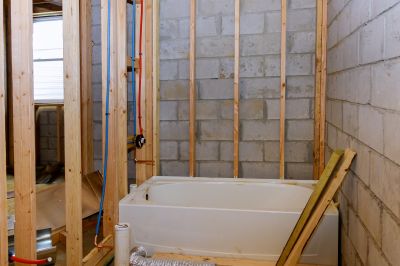
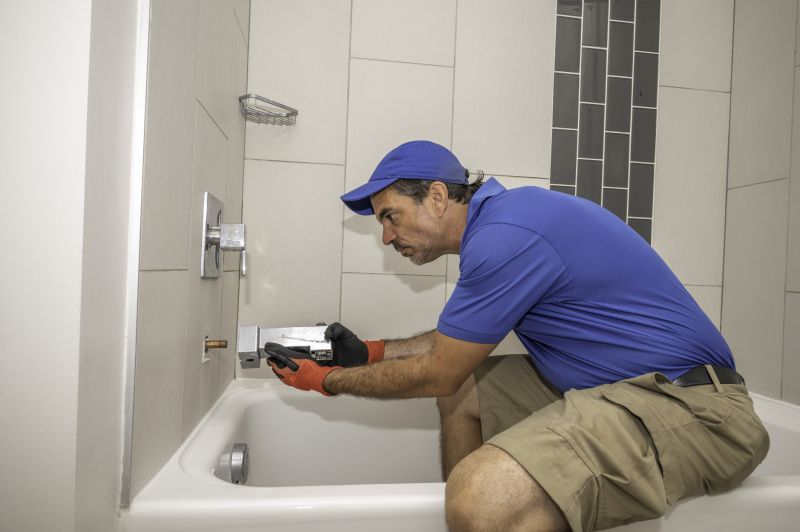
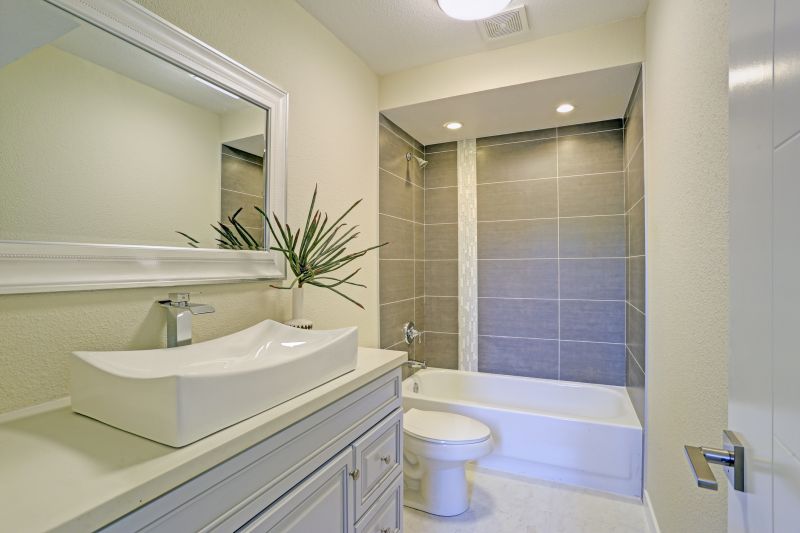
Learn how to compare local contractors for tub conversions by defining scope, verifying experience, and setting clear expectations.
- Scope Definition - Clearly outline the specific work involved in converting the bathtub, including demolition, plumbing adjustments, and installation details.
- Material Specifications - Specify the types of materials and fixtures to be used for the tub conversion project.
- Experience Verification - Confirm the experience level and expertise of local contractors in performing tub conversions similar to the project scope.
- Written Expectations - Document the scope, materials, and project requirements in a detailed written agreement with the service provider.
- Comparison Criteria - Establish consistent criteria for comparing bids and proposals from different local contractors based on scope and scope management.
When evaluating contractors for a tub conversion, it’s important to consider their experience with similar projects. Homeowners should inquire about the types of conversions they have completed and ask for details about past work that aligns with the scope of the desired transformation. A contractor with a proven track record in tub-to-shower or tub-to-standalone conversions can provide insights into common challenges and effective solutions, helping to ensure the project will be handled competently.
Clear communication about the scope of work is essential when comparing service providers. Contractors should be able to provide a written outline of the tasks involved, including demolition, plumbing adjustments, surface preparation, and finishing details. Having a detailed, written scope helps set realistic expectations, reduces misunderstandings, and provides a basis for evaluating the thoroughness and professionalism of each contractor’s approach.
Verification basics involve confirming that contractors have the appropriate experience and knowledge to perform the work effectively. Homeowners should ask for references or examples of completed projects similar to theirs. Additionally, verifying that the contractor understands local building codes and industry standards can help ensure the project will meet necessary requirements. A reputable contractor will be transparent about their experience and willing to share proof of past work.
Evaluating options without focusing on prices involves assessing the quality of proposals and the professionalism of each service provider. Homeowners should compare how well each contractor understands the project scope, the clarity of their written proposals, and the thoroughness of their explanations. It’s also helpful to consider the level of detail in their project plans and the consistency of their communication. Choosing a contractor based on experience, clarity, and professionalism can lead to a smoother conversion process and a more satisfying outcome.
Ask for written scope details to ensure clear expectations and consistent understanding among service providers.
- Experience with Tub Conversions - What specific experience do local contractors have with tub conversions similar to the project scope?
- Scope of Work Details - How do local service providers define and specify the scope of the tub conversion to ensure clarity?
- Comparison of Services - What services and materials are included in each contractor's scope to facilitate an accurate comparison?
- Project Expectations - How do local contractors document project expectations and deliverables in writing?
- Previous Work and References - Can contractors provide examples or references of previous tub conversion projects to verify their experience?
What should I consider when choosing a contractor for a tub conversion? It's important to compare local contractors based on their experience, reputation, and scope of services. Clearly define what needs to be done and ensure all details are outlined in writing to set proper expectations.
How can I verify a contractor’s experience with tub conversions? You can ask for references or examples of past projects similar to your conversion. Checking reviews and ratings from previous clients can also provide insight into their expertise.
What questions should I ask a contractor before hiring for a tub conversion? Inquire about their experience with similar projects, the scope of work included, materials they recommend, and how they handle potential issues that may arise during the conversion process.
Why is it important to have a written agreement with a contractor? A written agreement helps ensure that both parties have a clear understanding of the scope, responsibilities, and expectations, reducing the risk of misunderstandings or disputes.
How can I compare different contractors for a tub conversion project? Review their experience, scope of services, references, and reputation. Asking detailed questions and requesting written proposals can help in making an informed comparison.
What should I do if I have questions during the project? Maintain open communication with the contractor and document any concerns or changes in writing. Clear communication helps keep the project on track and aligned with expectations.
This page has highlighted key considerations for finding contractors who can handle a tub conversion project, including how to define the scope of work, verify experience, and establish clear expectations in writing. Understanding these steps can help streamline the process of comparing local service providers and making informed decisions. Using the quote form allows visitors to easily connect with multiple contractors, enabling a side-by-side comparison of options to find the best fit for their needs.
By leveraging the information provided, visitors can better navigate the process of selecting a reliable contractor for tub conversion services. The quote form offers a straightforward way to reach out to local contractors, helping to gather details and clarify options. Taking the time to compare and communicate with service providers can support a smooth and successful project experience.